
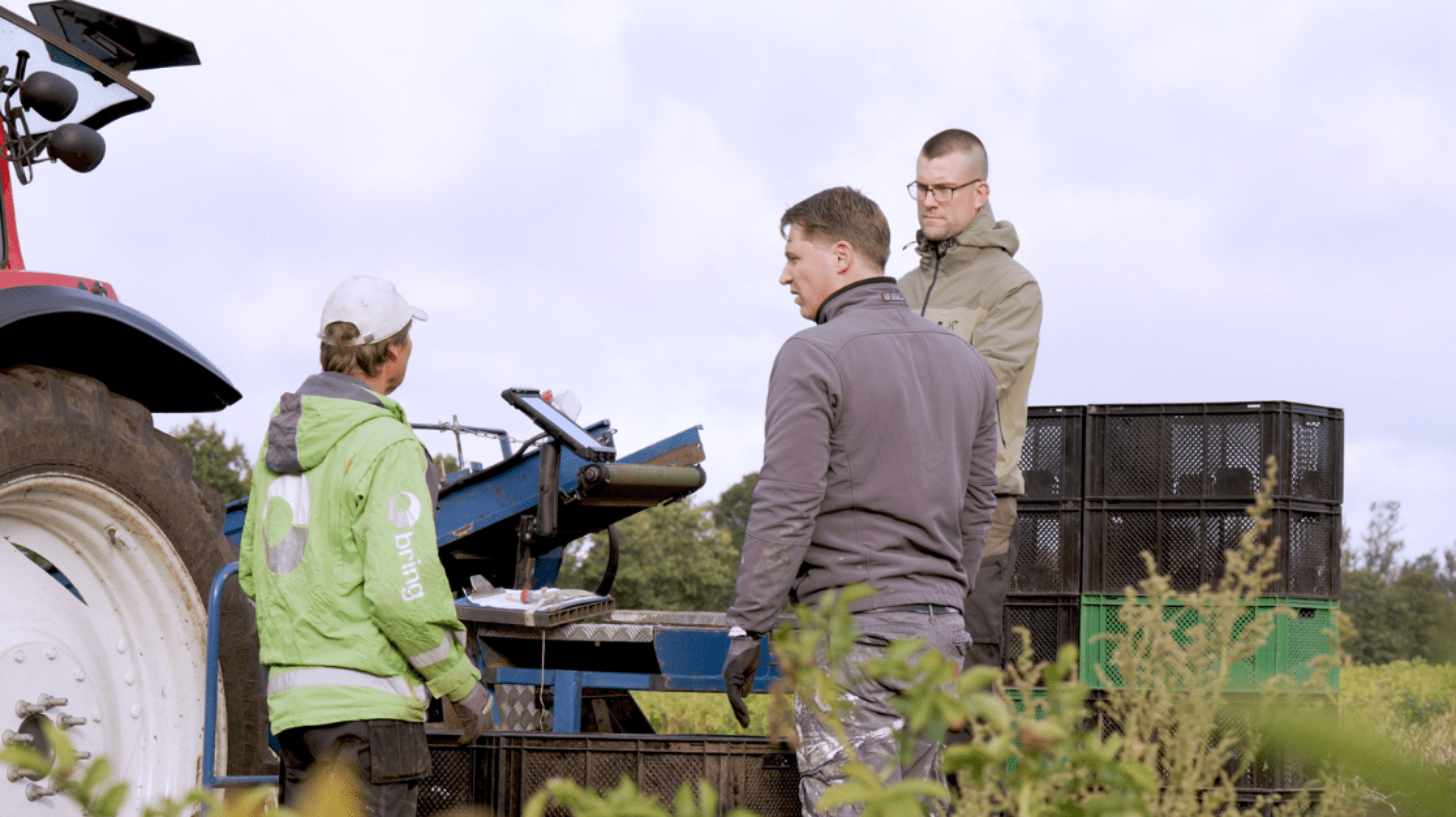
With just a few minutes of moving images, video storytelling can spark interest among potential investors by creating emotional ties to a product that is otherwise difficult to explain, says Thomas Veje Flintegaard, project director at Collaborome. Like the other Spin-outs Denmark participants, he and his team have transformed their technology into an explanatory video.
When you are a researcher working to make the cultivation of potatoes more sustainable through next-generation microbial bio-fungicides based on synergistic bacterial consortia, it can be difficult to explain to friends and family – and investors – what your solution is all about.
A short and precise video makes it much easier. As Thomas Veje Flintegaard from Collaborome explains:
“The video can make something that’s extremely geeky more tangible and understandable for anyone who doesn’t work with R&D on a daily basis.”
The video production is included in the researcher’s grant when they are accepted into the Spin‑outs Denmark programme. Collaborome’s video was filmed both in northern Jutland and in their lab.
Thomas Veje Flintegaard, who holds a PhD in health science from the University of Copenhagen, experienced that the hours spent on the production were not only a good experience but also quite valuable:
”Living images provide an incredible amount of information in a very short time. We want people to react emotionally to our project and to understand that what we are working with has a beneficial effect on both the environment and the farmers,” he explains.
“And when we have a drone flying over our fields, with the right music playing in the background, it just creates a beautiful scenery, which hopefully can create some emotional ties to the project.”
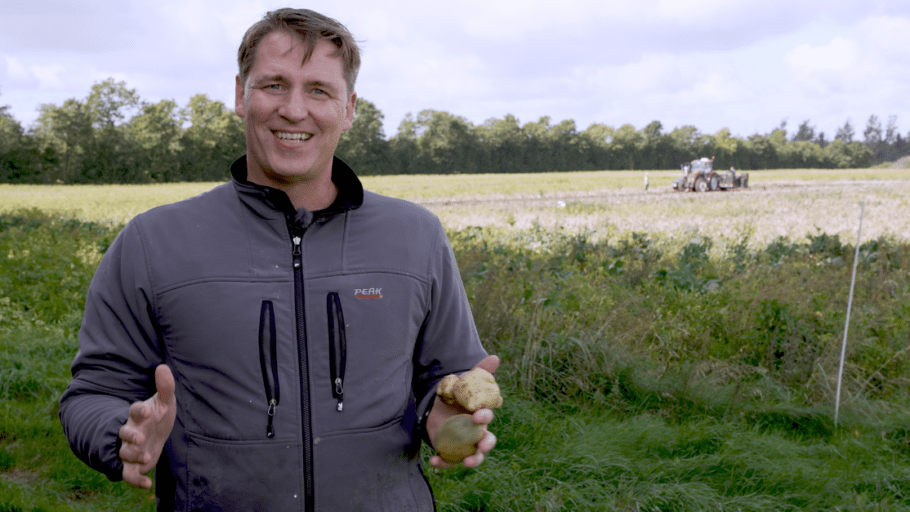
Thomas Veje Flintegaard and the Collaborome team have previously been asked to produce a short video summary for funding applications.
“It was based on a few PowerPoint slides and some useless narration. It wasn’t particularly cool. But now we can use this video to spice up our company presentation to investors,” he says.
The new video makes it much easier to explain Collaborome’s development of cutting-edge solutions to protect potato plants and to reduce farmers’ losses.
Collaborome has not yet been established as a company and is currently in the early stage, where new funding is needed to move the project forward.
“Our product works in field trials but faces the next step towards introduction into the market, which is expensive and difficult. We need funding for that,” Thomas Veje Flintegaard says.
The video has made it easier to present the technology. He recently posted the video on LinkedIn – with overwhelming results:
“The fact that it was seen by thousands of people means that I have now connected with potential investors,” he says.
Collaborome
Collaborome develops the next generation of biopesticides using a consortium of bacteria, called collaboromes.
Collaborome’s lead product candidate in greenhouse trials delivers 25 per cent yield gains under fungal pressure.
Collaborome will initiate talks over the next 12 months with potential investors to be able to raise the first round of funding in 2027.

Spin-outs Denmark is a unique programme that invests in researchers who create more impact by starting research-based companies.