
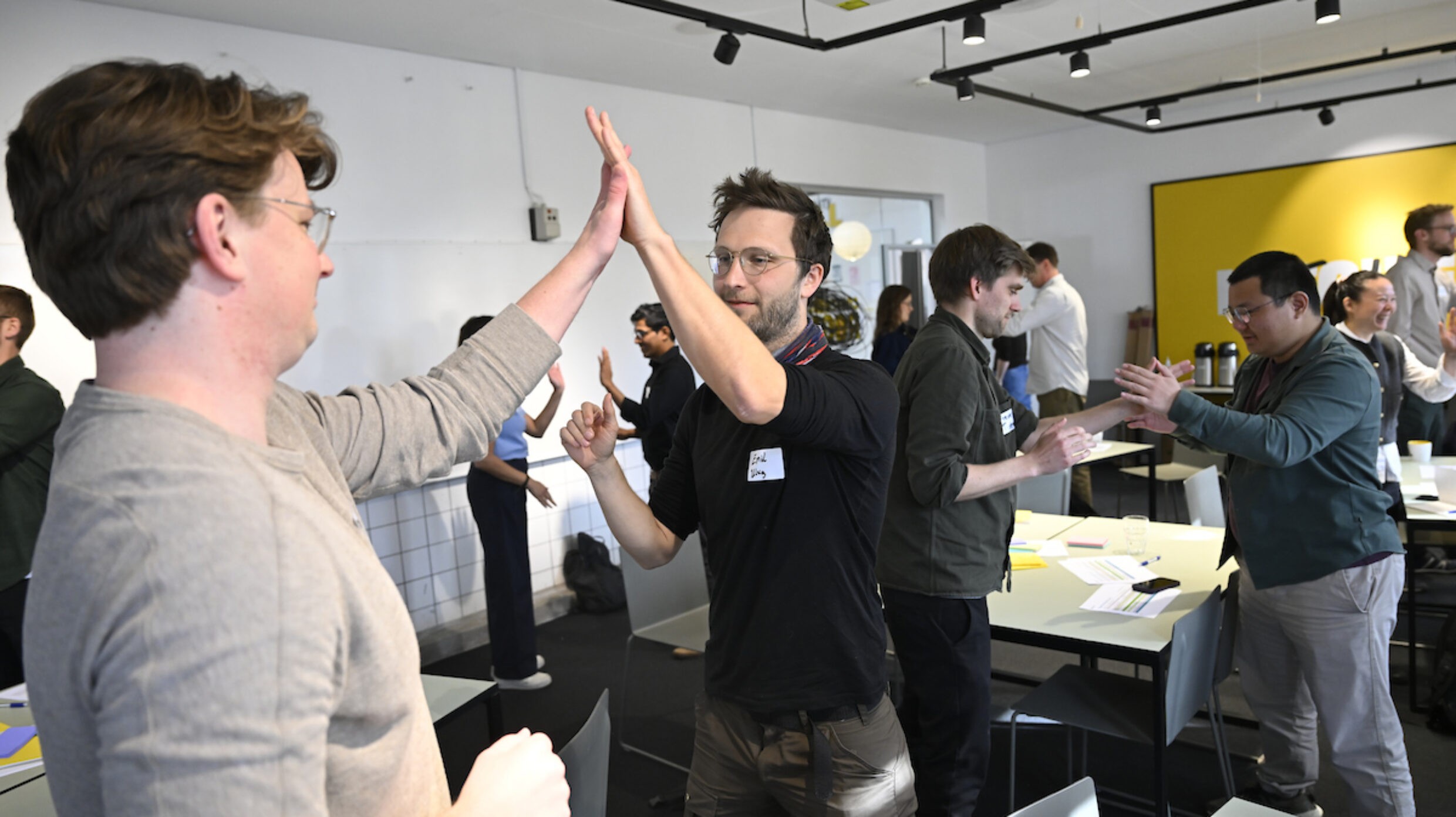
Entrepreneurship is a craft far removed from the world most researchers are familiar with. During the Spin-outs Denmark programme, however, it becomes a safe space to explore – thanks in no small part to the network participants build along the way.
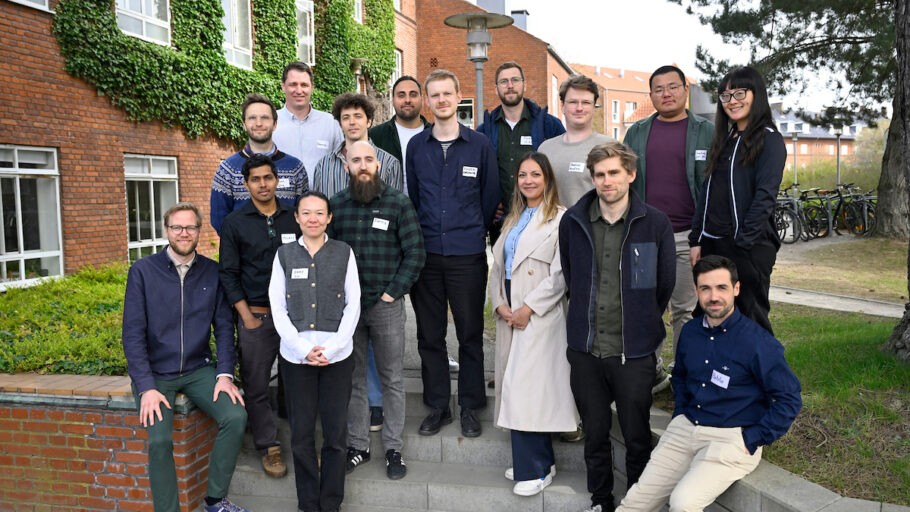
A crucial part of the researchers journey through the Spin-outs Denmark programme is the masterclass. Here they come together to learn about a new disciplin: Entrepreneurship.
The sessions take place at Kitchen, the Aarhus University incubator for researchers and students who aspire to become entrepreneurs. This is where, participants are introduced to key elements of entrepreneurship, including the importance of engaging early with potential customers, users and stakeholders across the value chain, as well as what it means to be investorready – particularly when working with private investors.
‘One thing I really took away from the masterclass is how important it is to understand the problem. Most academics think they solve many problems with their research without really doing so,’ says Tor Ivan Simonsen, a participant in the programme’s latest cohort.
‘I think it’s easy to fall into the trap of developing a theoretical solution that looks strong academically but doesn’t work in an industrial setting. If your solution is not significantly cheaper, simpler, or better than existing alternatives, it won’t be seen as a solution at all,’ he says.
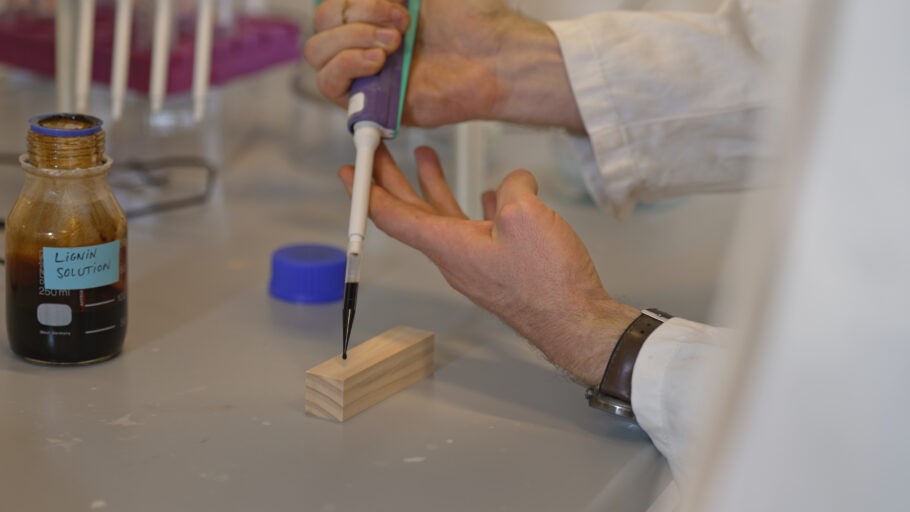
‘If you haven’t talked to the people who actually have the problem and understood it in detail, you won’t get very far,’ explains the entrepreneur behind LignoSolve, which enhances the natural resistance of wood to moisture and fungal decay through a patented technology based on upcycled paper-industry waste.
Enough is Enough
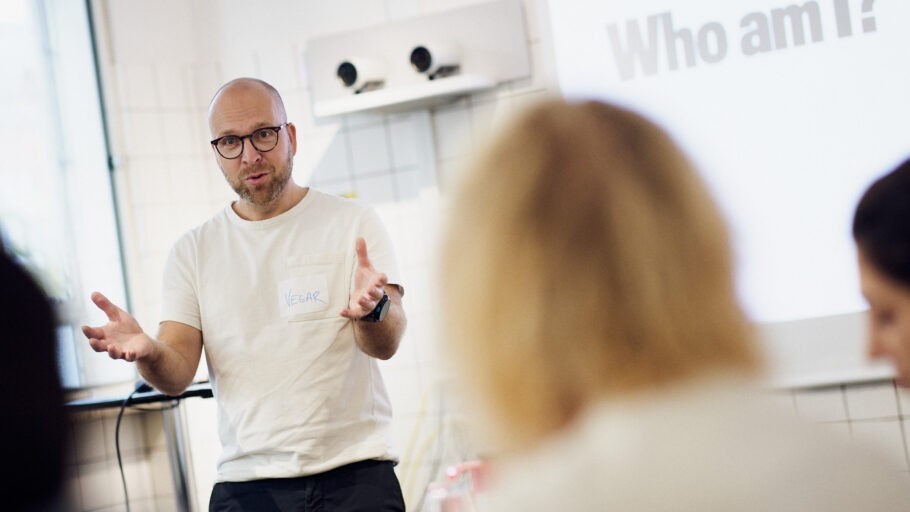
The Spin-outs Denmark participants are already screened and motivated to become entrepreneurs when they enter the programme. This does not mean, however, that the transformation from researcher to entrepreneur happens immediately, says Vegar Lein Ausrød, head of Toolbox at Kitchen.
‘The most important thing they need to learn in the masterclass is the commercial language and the entrepreneurial mindset – and when enough is enough. They need to learn to stop the never-ending game of asking yet another research question and instead narrow their focus to what customers are willing to pay for,’ he says, describing the challenge of stepping into a role very different from that of a researcher. At the same time, he emphasises that these researchers are not easily discouraged.
‘Through their PhDs, they have learned that results do not come easily. They have endurance and resilience in difficult and complex situations – and that is a major superpower for an entrepreneur,’ he says.
He notes that researchers and aspiring entrepreneurs often struggle with the same issue identified by Tor Ivan Simonsen: translating academically dense knowledge into a future-oriented vision in which their research plays a meaningful role in society.
‘We provoke them slightly by suggesting that the company they are building is, in a sense, a form of fiction. This touches a nerve, as they may feel they are being dishonest when talking about the future – because they don’t have concrete knowledge of it,’ explains Vegar Lein Ausrød.
‘Therefore, it helps them to understand when to present facts and when it is appropriate to tell a credible, ambitious story about where they want to go. Once they grasp that distinction, they become more comfortable and begin to see that this is a craft that can be learned,’ he says.
A Challenge for Integrity
This tension is something Tor Ivan Simonsen recognises – between a focus on business and a commitment to scientific rigour.
‘I can feel that my own academic integrity is being challenged because I have to sell a vision instead of relying on data alone,’ he says.
‘At the same time, I value the opportunity to apply my ethos – grounded in my academic background – in a business context. It feels very meaningful.’
He also believes it is a missed opportunity that more academics are not explicit about their perspectives. He asks rhetorically:
‘When you publish a scientific article, all your arguments are scrutinised, as they should be. But if we’re not the ones shaping opinions about the impact of new technologies and the reasons for using them, then who will? For me, these masterclasses have shown that researchers are often too afraid of being wrong and therefore hesitate to speak their minds.’
Another key lesson for LignoSolve has been the risk of presenting their solution as a ‘Swiss Army knife’.
‘In the beginning, we thought our technology could solve many different problems. But that’s rarely how start-ups succeed. At first, it felt like we had a solution in search of multiple problems, but we didn’t know which one actually mattered. Once we understood the problem better, we could focus on developing the best possible solution,’ says Tor Ivan Simonsen, reflecting on getting out of his safe space and talking to ‘those who have the problem’.
‘I found it quite daunting at first to contact or meet with large companies in the wood industry. Suddenly, I felt as though I knew very little – even with a PhD – because I realised I didn’t truly understand the industry I wanted to integrate the solution into. The programme taught me not to hold back, but to engage and start conversations.’
Valuable Network
Over the five years that Spin-outs Denmark has existed, the masterclasses have evolved in response to participant feedback.
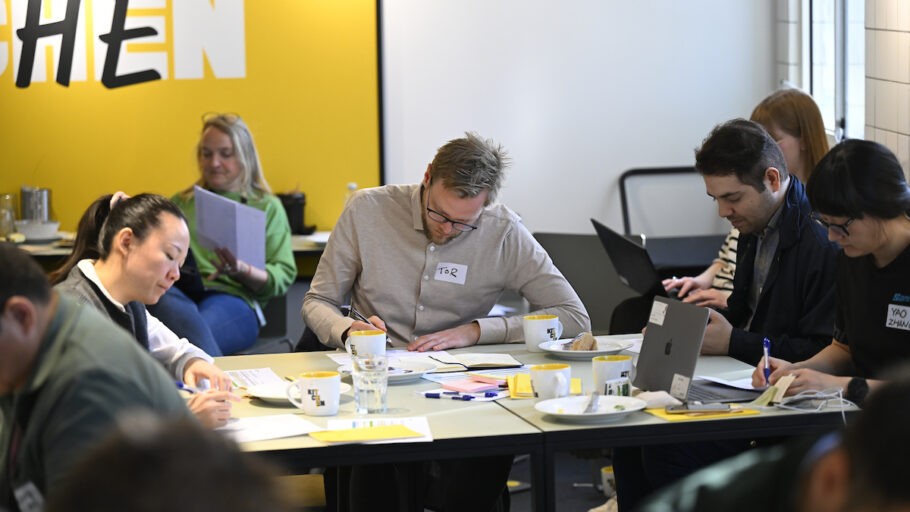
One key insight was that participantsgain significant value from engaging early with entrepreneurs and investors. As a result, this element has been moved to the beginning of the programme, rather than following a more theory-heavy introduction. Another important finding was the benefit of connecting with peers in similar situations, allowing participants to share experiences and perspectives.
In response, Spin-outs Denmark has expanded the masterclass from two to four inperson teaching days. Programme Manager Susan Henriksen explains:
‘It’s definitely my impression that the postdocs have benefitted from the expanded masterclass format. It’s important that the postdocs have the opportunity to fully engage with the commercial aspects and receive training in how to interact with the industry, customers, etc. Research and business often operate on very different frequencies and maintaining momentum in the spinout journey requires immersion in an entrepreneurial mindset.’
For Tor Ivan Simonsen, the network provided perspectives that were entirely new to him when he joined the programme.
‘Meeting like-minded people and hearing about their journeys into entrepreneurship broadened my horizons. It also introduced me to investors, events and an environment that I would not otherwise have encountered as a researcher,’ he says.
‘You can sometimes feel isolated in a research group focused on basic science rather than business. Meeting others who have experienced the same frustrations and loneliness is fun and means that you suddenly have someone to play ball with,’ he says.
This article is featured in Spin-outs Denmark’s magazine. Read the full magazine here.
Photos by Lars Møller, Esben Zøllner Olesen, and Tobias Bagge.
MASTERCLASS
A course in which programme participants meet in Aarhus for four in-person sessions, supplemented by occasional online cohort meetings.
The masterclasses are held at Kitchen, the Aarhus University incubator, and cover topics such as problem identification, organisation, data collection strategies, academic entrepreneurship, competitors, stakeholders and partners, team and culture, funding, revenue models and branding.
In addition to the masterclass, participants have access to a mentor, online training and virtual networking sessions.
The programme concludes with intensive pitch training, where participants distil their learning into a clear and compelling presentation of their spin-out.


Spin-outs Denmark is a unique programme that invests in researchers who create more impact by starting research-based companies.